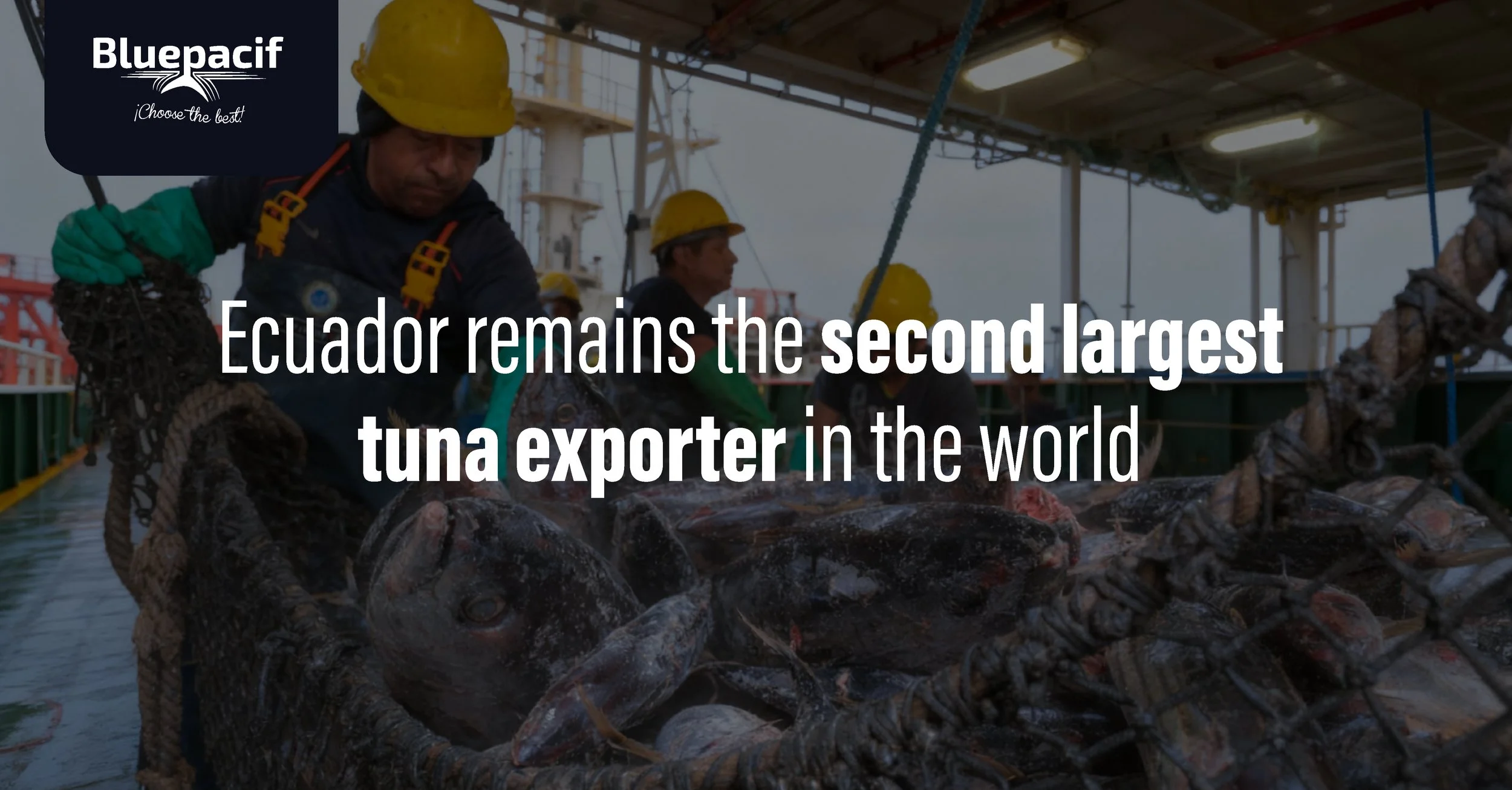
Ecuador remains the second-largest tuna exporter in the world
Ecuador continues to affirm its position as a global powerhouse in the tuna industry, remaining the second-largest exporter of processed and canned tuna worldwide, just behind Thailand. During the first half of 2025, the country exported 164,220 tons, representing a 15% increase compared to the same period in 2024. The FAO confirmed during the Twentieth Meeting of the Subcommittee on Fish Trade that Ecuador is the country with the highest export growth in the sector, surpassing China and Spain, while the Philippines saw an 11% decline. Additionally, Ecuador has positioned itself as the main supplier of tuna to the European Union in 2023, 2024, and 2025, with more than 100,000 tons shipped during the first six months of this year.
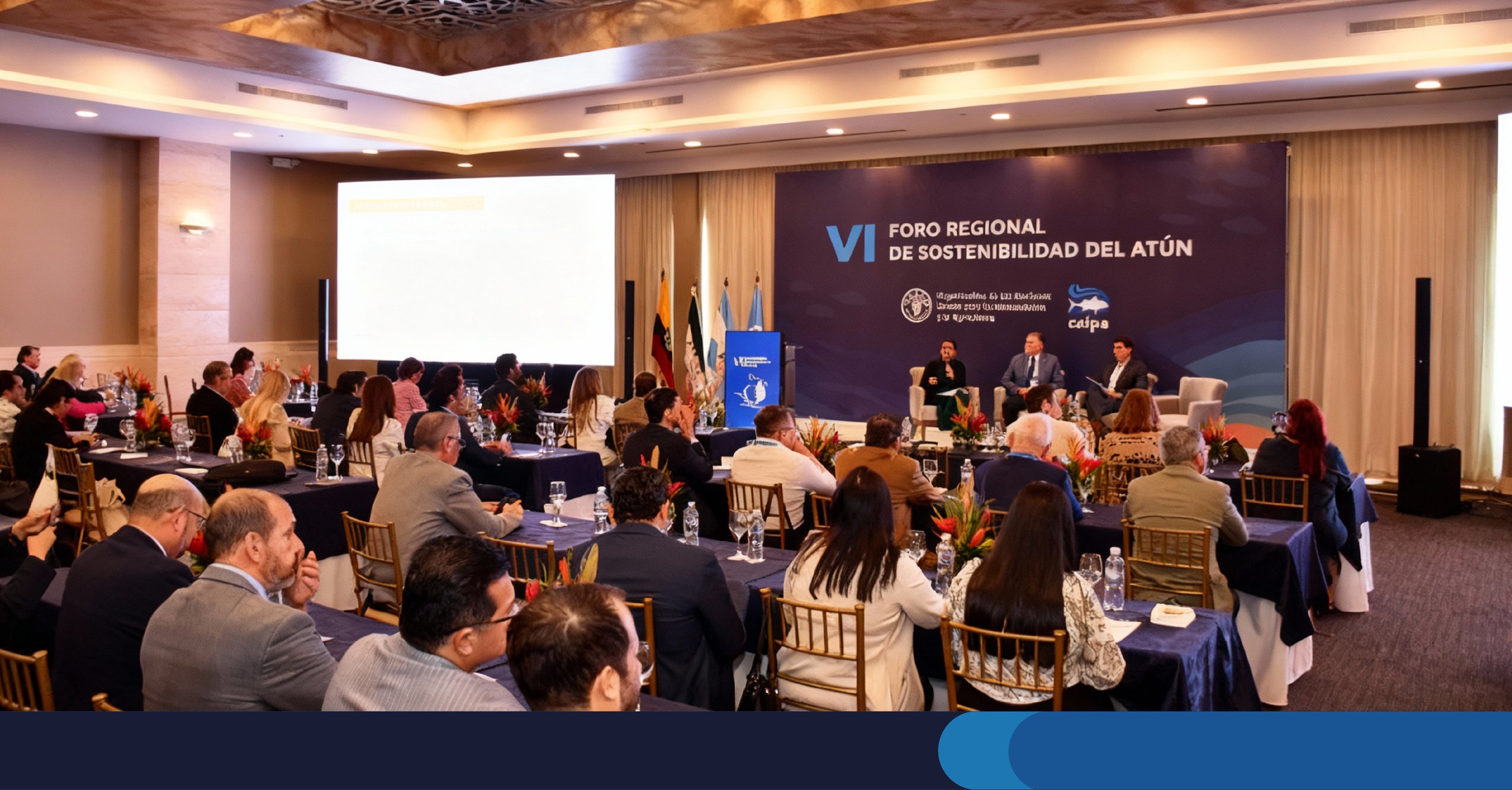
Sustainability has become the strategic axis of Ecuador’s tuna development. During the VI Regional Tuna Sustainability Forum, the FAO highlighted the Blue Transformation and Hand-in-Hand initiatives, adopted by the country to strengthen a responsible and inclusive fishing system. According to the organization’s latest report, 86% of Ecuador’s tuna fishing complies with sustainability standards, exceeding the global average for fishing and aquaculture, which stands at 62%. These figures reflect the industry’s commitment to traceability, biodiversity, and the 2030 Agenda.
The implementation of the Integrated Aquaculture and Fisheries System (SIAP) since March 2024 has marked a turning point in product traceability. This system allows monitoring of tuna from six months prior to its capture, ensuring transparency and control throughout import, unloading, and processing stages. A guided tour by the FAO and local authorities demonstrated the rigorous process at the Port Terminal of Manta, where reefer vessels such as the Monte Laura, carrying more than 3,000 tons, unload raw material that later supplies the city’s processing plants responsible for 70% of national exports.
Finally, Ecuador’s tuna industry anticipates an even stronger future. According to Ceipa, exports are expected to reach US$2 billion by the end of 2025, surpassing the US$1.7 billion achieved in 2024. With an installed capacity to process 500,000 tons per year and a productive ecosystem that employs thousands of people mostly women Ecuador not only exports a premium product but also drives social, economic, and environmental development. The combination of growth, innovation, and sustainability firmly positions Ecuador as a global benchmark in the tuna sector.