Ecuador’s Tuna Industry: A Success Story in Market-Driven Sustainability
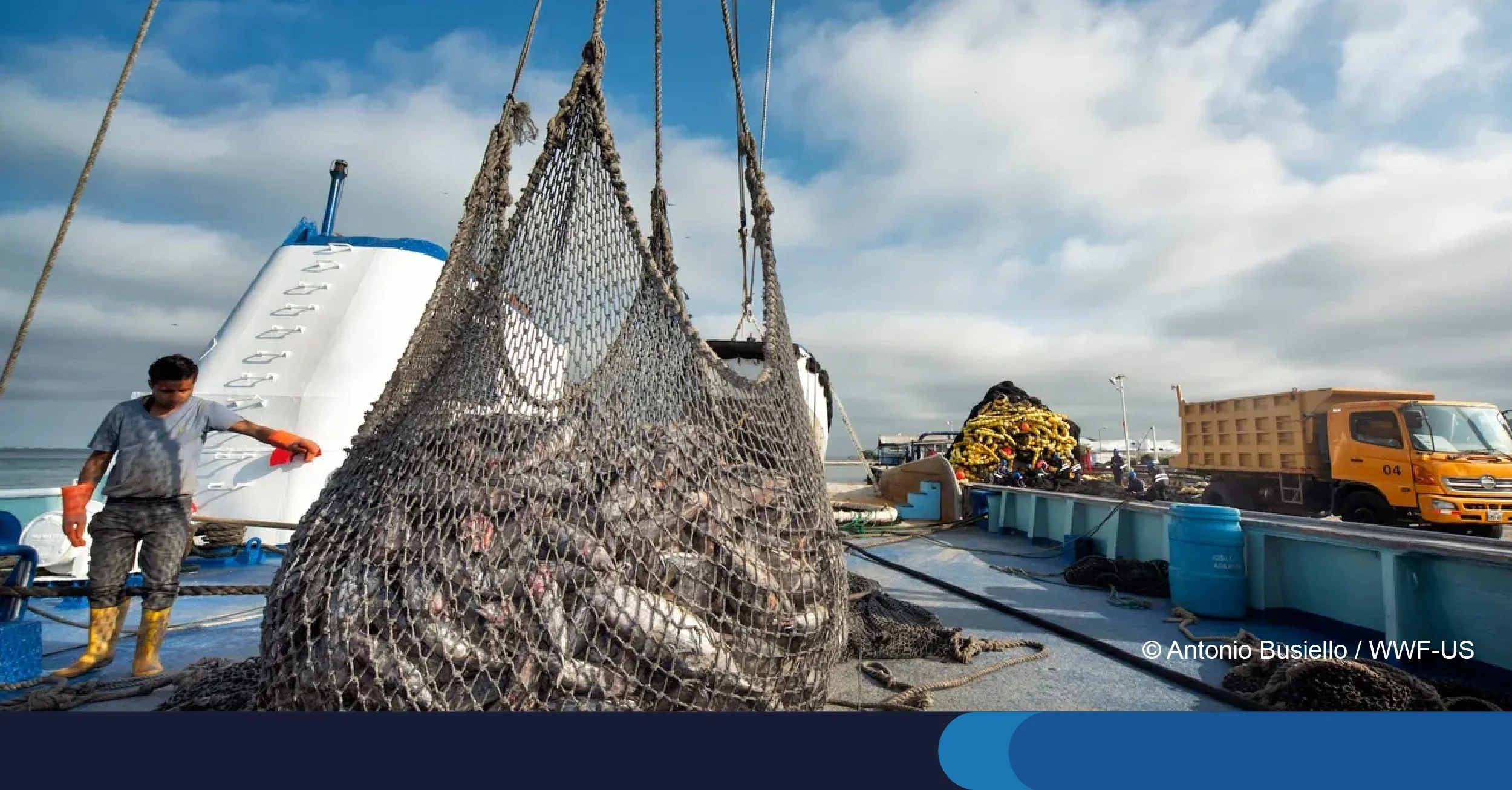
Ecuador has become a global example of how an industry can transform when businesses, science, and market demand move in the same direction. As one of the world’s leading tuna producers and processors, the sector is central to the country’s economy—supporting thousands of jobs and generating over a billion dollars in exports each year.
But a decade ago, the picture looked very different. Key tuna species were under pressure, regulations were fragmented, and overfishing threatened both marine ecosystems and the livelihoods that depended on them. Recognizing these risks, WWF began collaborating with a small group of forward-thinking Ecuadorian companies that understood sustainability was essential for long-term success.
This collaboration led to the creation of TUNACONS in 2016, an initiative focused on improving management practices, reducing environmental impact, and aligning the industry with global expectations for responsibly sourced tuna. Their work helped drive major policy changes, including the adoption of science-based harvest rules at the regional level.
Today, TUNACONS has grown into a foundation representing multiple companies and vessels, with all its fisheries certified by the Marine Stewardship Council. The initiative has strengthened Ecuador’s leadership in responsible tuna production and demonstrated that conservation and commercial success can go hand in hand. While some governance challenges remain, Ecuador’s progress offers a practical model for other regions seeking to improve fisheries management through collaboration, transparency, and market-driven incentives.