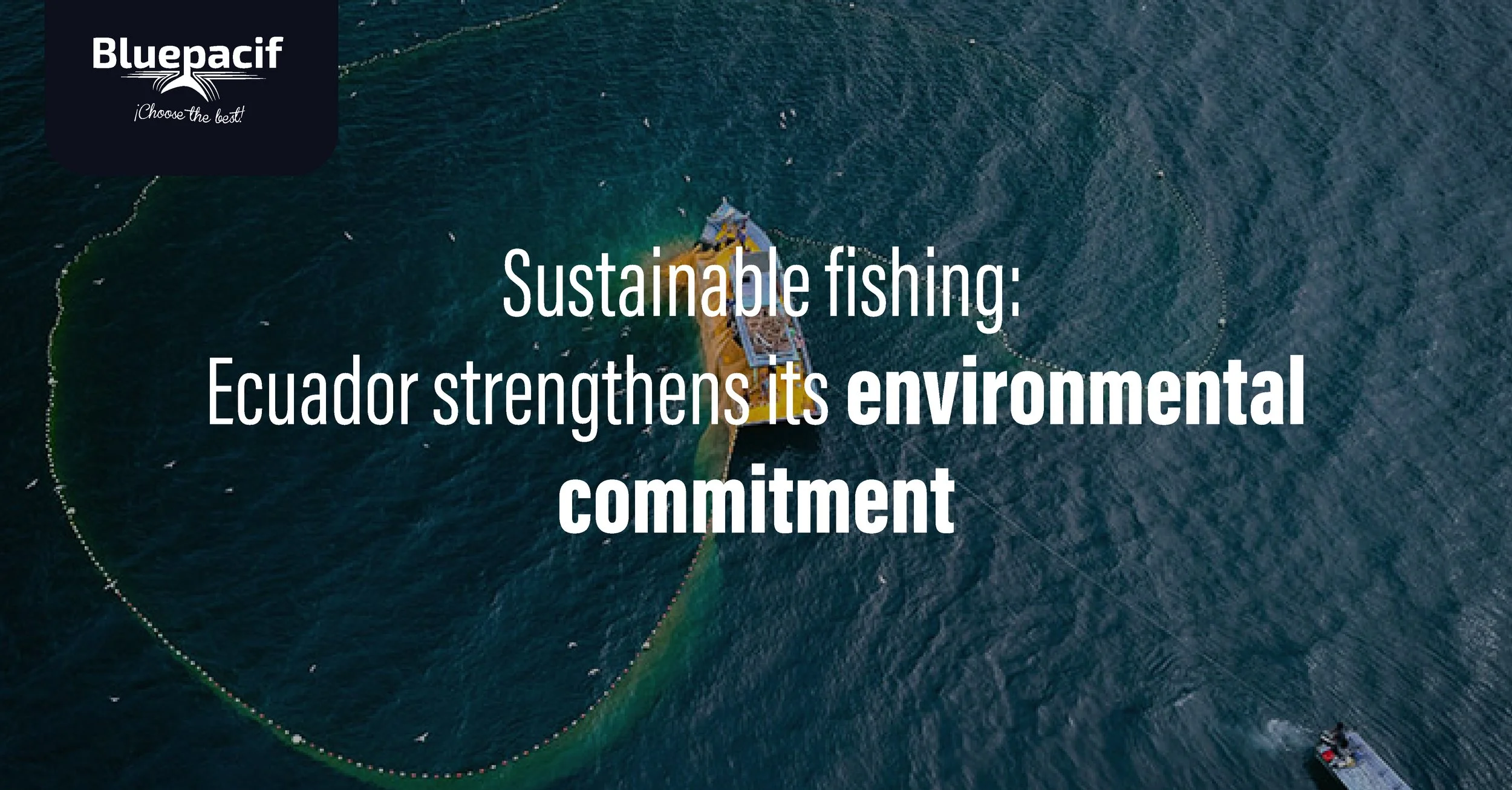
Sustainable fishing: Ecuador strengthens its environmental commitment
Ecuador’s Ministry of Production, Foreign Trade, Investments, and Fisheries (MPCEIP), in partnership with the Food and Agriculture Organization (FAO) and the Inter-American Tropical Tuna Commission (IATTC), held an important technical workshop that brought together over 50 national and international specialists. The main goal of the event was to improve the accurate identification of species at landing sites and processing plants, a key step to enhance traceability and ensure the sustainability of the fishing sector.
Precise species identification also helps prevent illegal fishing, protect vulnerable species, and guarantee responsible use of marine resources.
The workshop also addressed crucial topics related to fishery management and regulation, emphasizing the role of Regional Fisheries Management Organizations (RFMOs) in conserving marine populations and promoting sustainable fisheries. Ecuador’s active participation in these international bodies not only strengthens its commitment to responsible fishing but also provides access to scientific information, monitoring tools, and technical cooperation to tackle common regional challenges. This collaborative work is vital to keep marine ecosystems healthy and ensure future generations can continue benefiting from these resources.
Finally, this initiative reflects the Ecuadorian government’s commitment to strengthening the technical capacities of the fishing sector, not only in production but also in conservation and environmental protection. Training professionals throughout the fishing value chain is essential to implement better practices and adopt evidence-based policies. In this way, Ecuador moves toward more sustainable fishing that balances economic development with marine environmental preservation, consolidating its position as a leader in fisheries management in Latin America.